Sidewalks & Walkways in the Dayton area
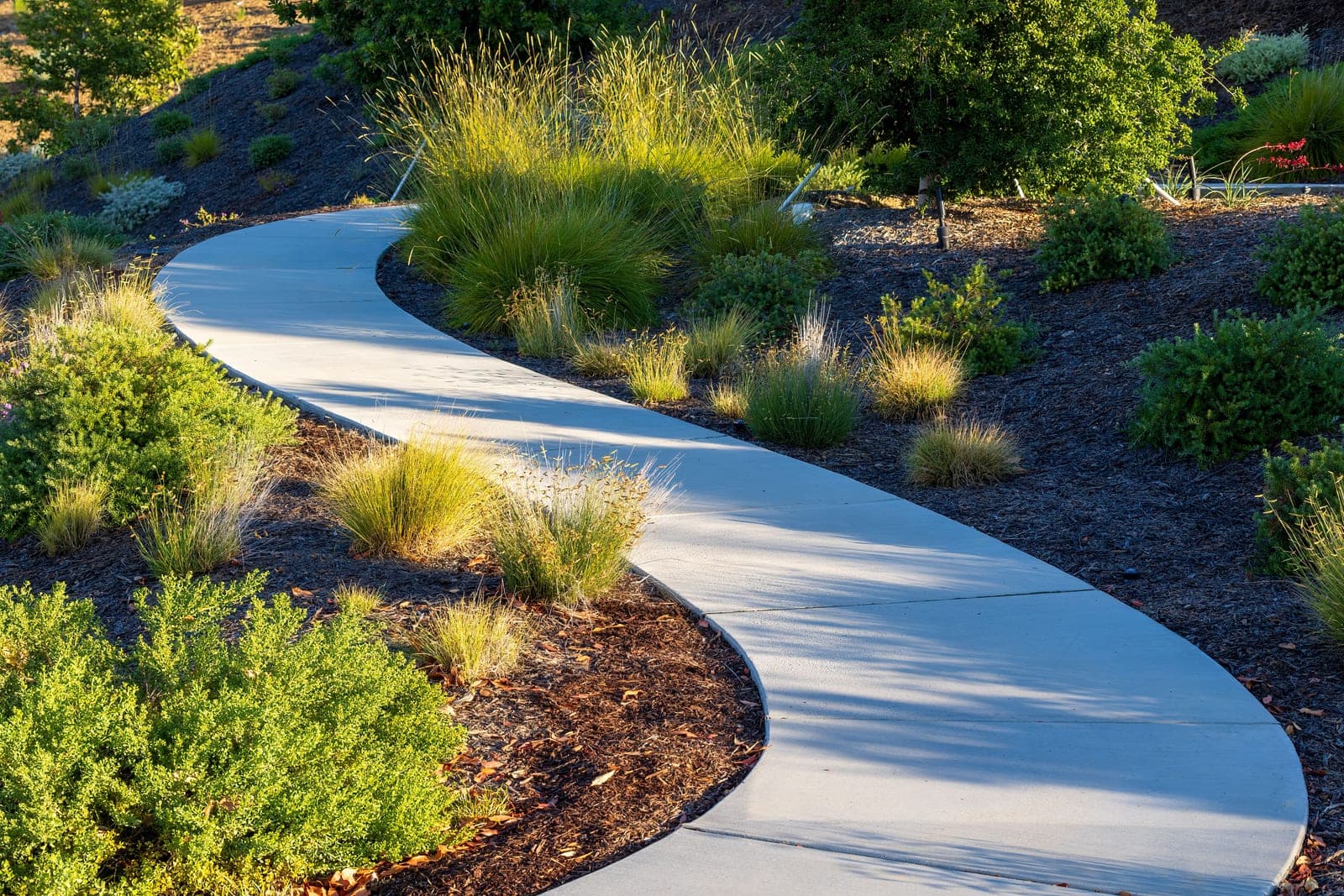
Walkways carry more code requirements than people expect — width, slope, cross-pitch, and detectable warnings all get inspected. We build approaches that pass, drain, and stay level through the freeze-thaw cycle.
What sidewalks work includes
- Code-compliant width, slope, and cross-pitch
- ADA-accessible ramps and detectable warning panels
- Poured steps with consistent rise and run
- Tripping-hazard removal and slab replacement
Walkways are inspected against numbers, not opinions
Public walks and the approaches that meet them are held to measurable limits: a minimum clear width, a running slope, and a cross slope that stays shallow enough to be usable in a wheelchair. Curb ramps need detectable warning panels set at the right offset from the back of curb. We build to those numbers the first time and stake the forms so they hold them, because a walk that misses a cross slope by a degree gets torn out, not adjusted.
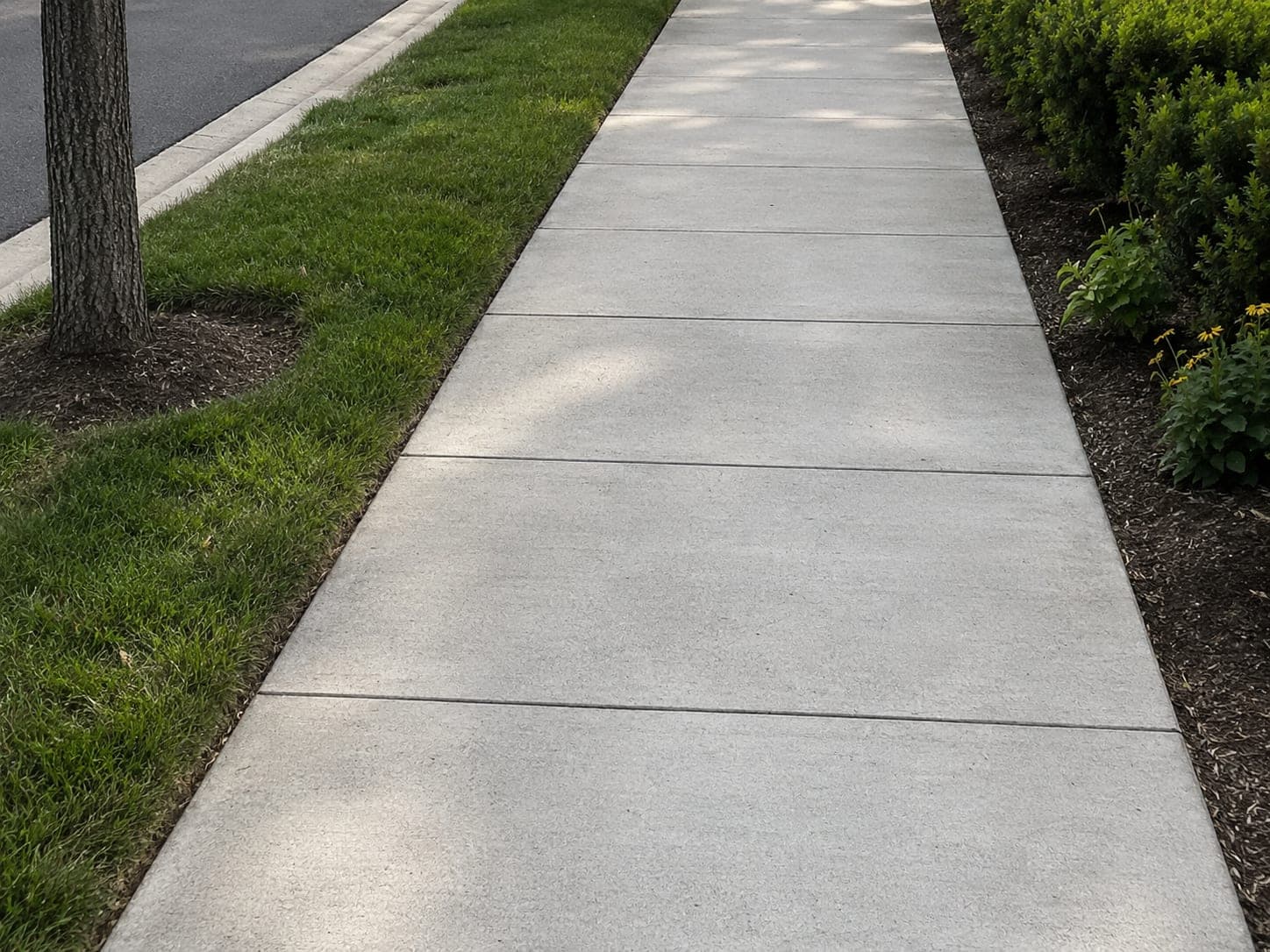
Joints, panel size, and what to do about roots
Walks are jointed into roughly square panels so shrinkage shows up in a straight scored line instead of a random crack, with joints cut about a quarter of the slab's depth and cut on time rather than the next morning. Where a mature tree has lifted a panel, replacing the concrete without addressing the root only resets the clock — the options are root pruning with a bridging detail, or shifting the walk's alignment, and we say which one the tree can survive.
Sidewalks & Walkways by city
Pick your city for local conditions, permitting, and how sidewalks work is handled there.
Auglaize County

Butler County
Champaign County

Clark County

Clinton County
Darke County

Greene County

Logan County
Miami County
Montgomery County
- Sidewalks in Dayton
- Sidewalks in Kettering
- Sidewalks in Huber Heights
- Sidewalks in Centerville
- Sidewalks in Miamisburg
- Sidewalks in Vandalia
- Sidewalks in Trotwood
- Sidewalks in Riverside
- Sidewalks in Englewood
- Sidewalks in Oakwood
- Sidewalks in West Carrollton
- Sidewalks in Clayton
- Sidewalks in Brookville
- Sidewalks in Germantown
- Sidewalks in Moraine
Preble County

Shelby County
Other concrete services
Concrete Driveways
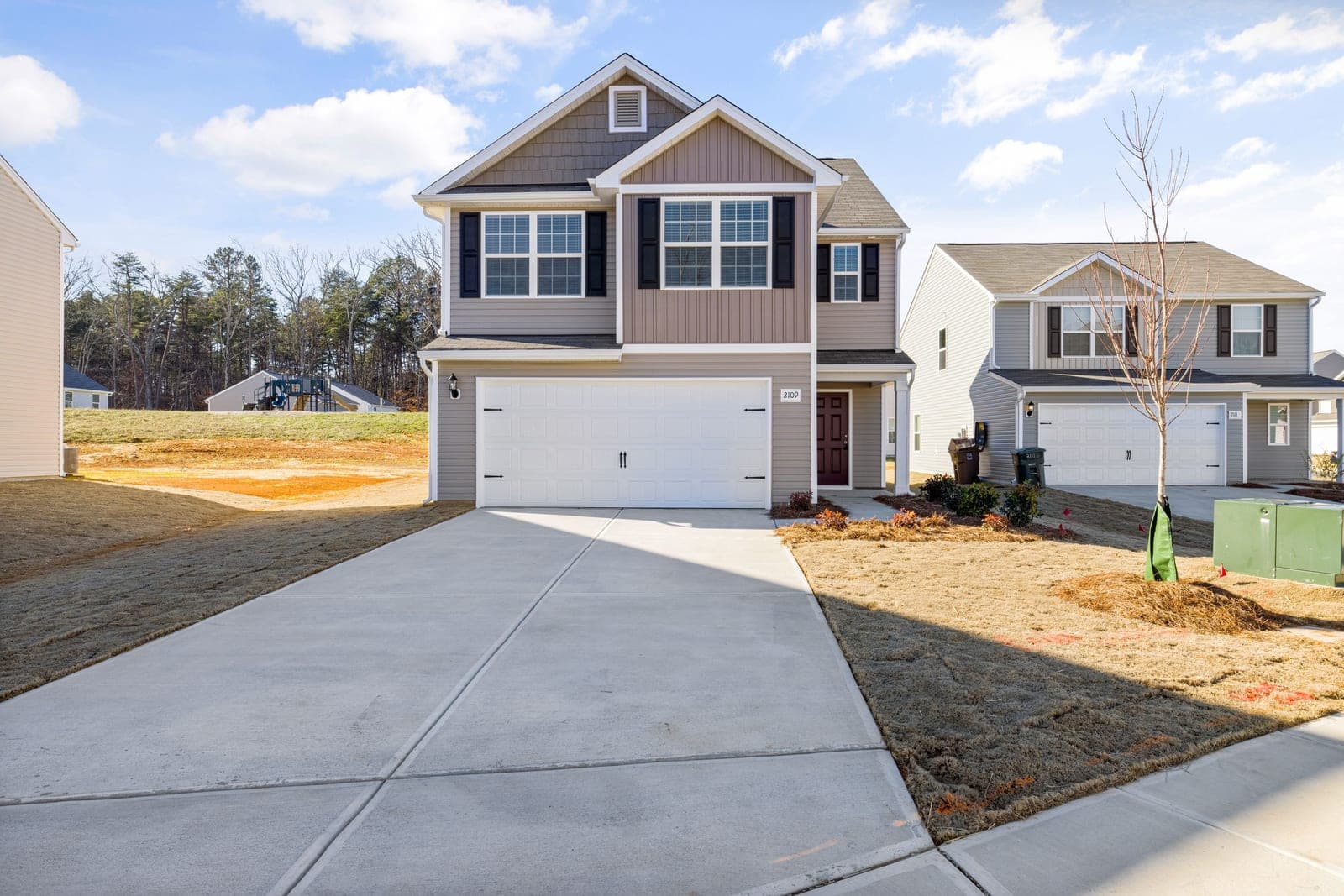
Poured, reinforced driveways engineered for freeze-thaw and daily loads.
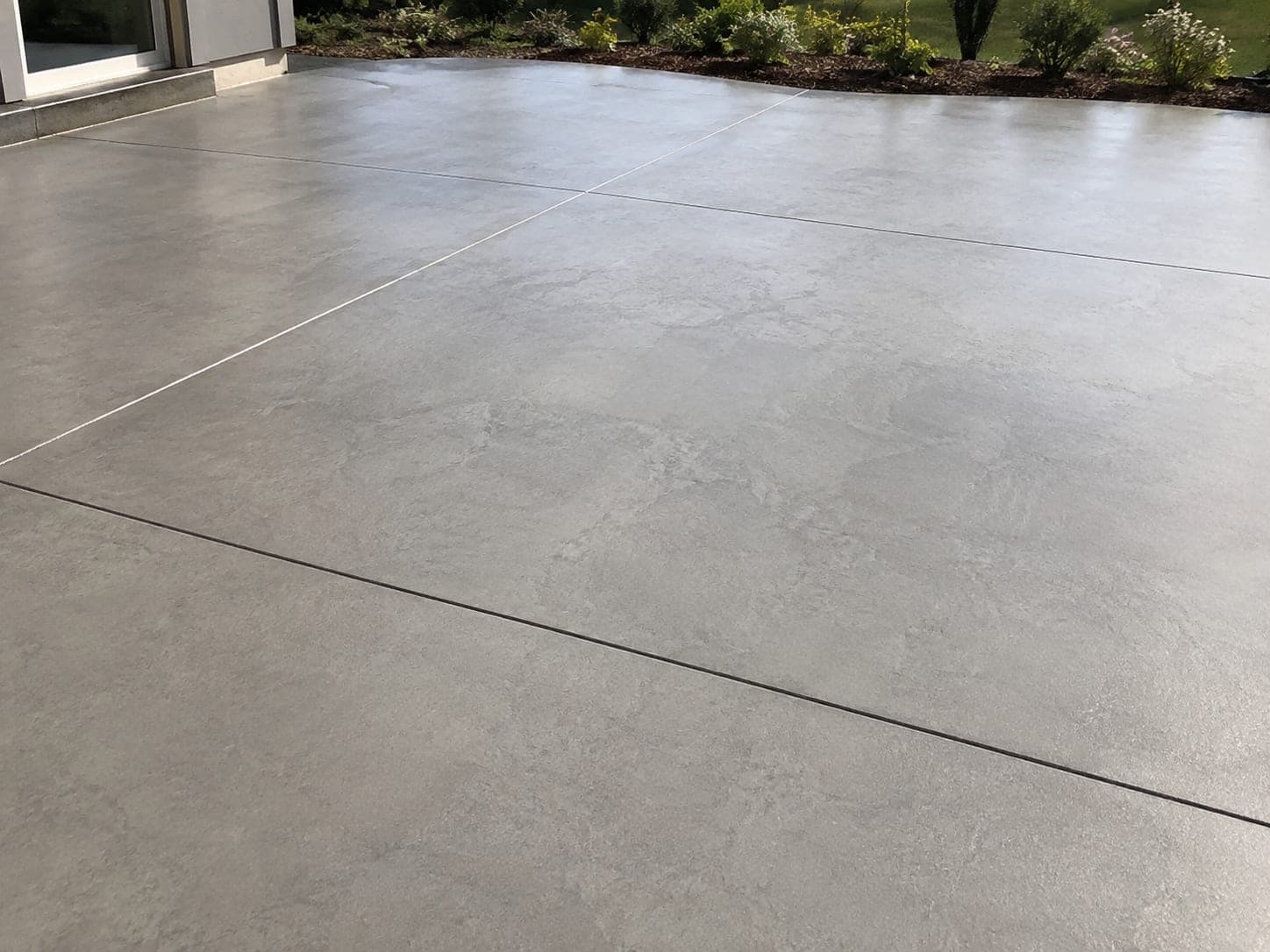
Concrete Patios
Stamped, stained, and broom-finished patios that hold their color.
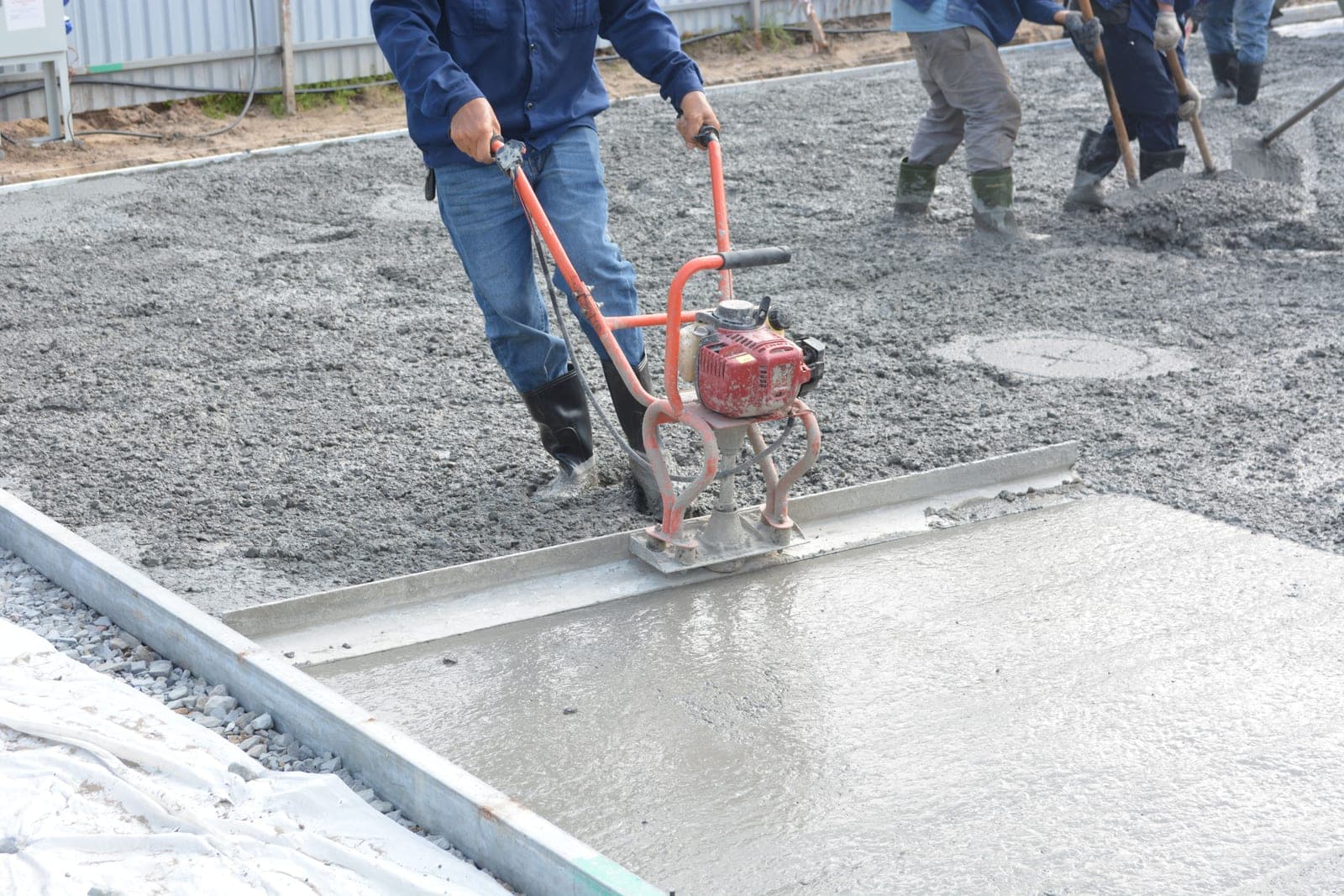
Concrete Foundations
Footers, stem walls, and slabs poured to spec and inspection.
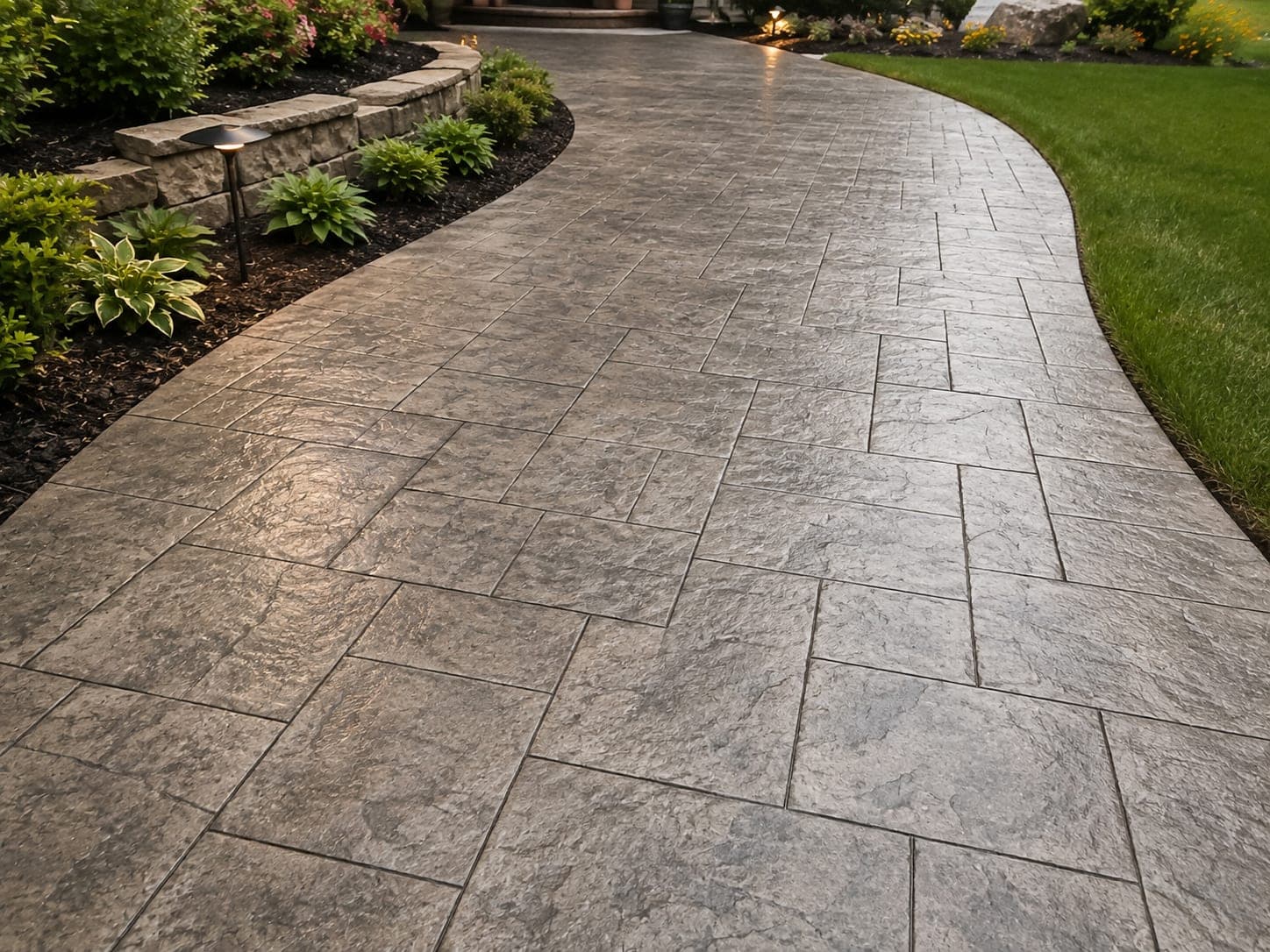
Stamped & Decorative Concrete
Stone, slate, and wood-plank textures in durable poured concrete.
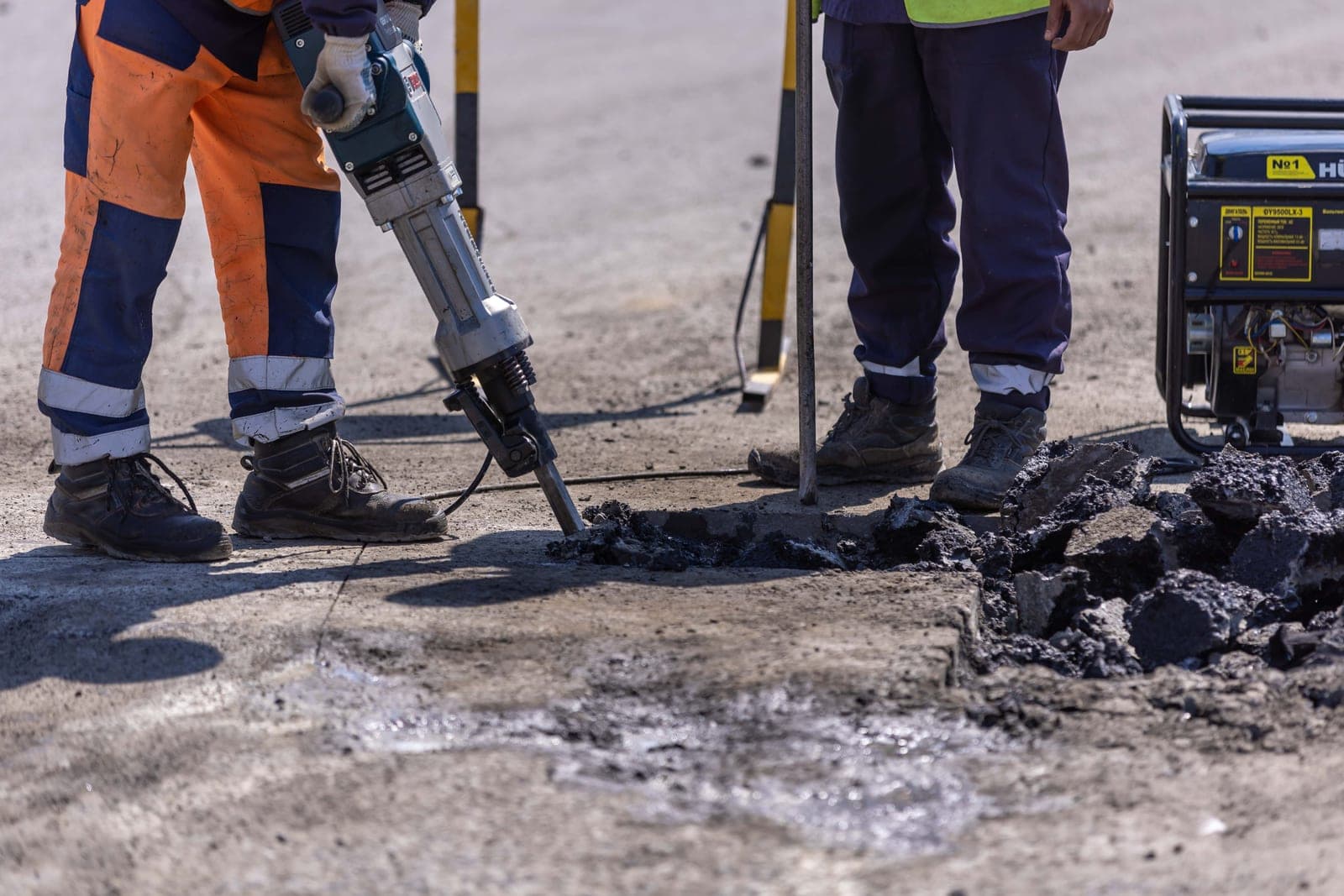
Concrete Repair & Leveling
Slab lifting, crack repair, and resurfacing instead of full replacement.